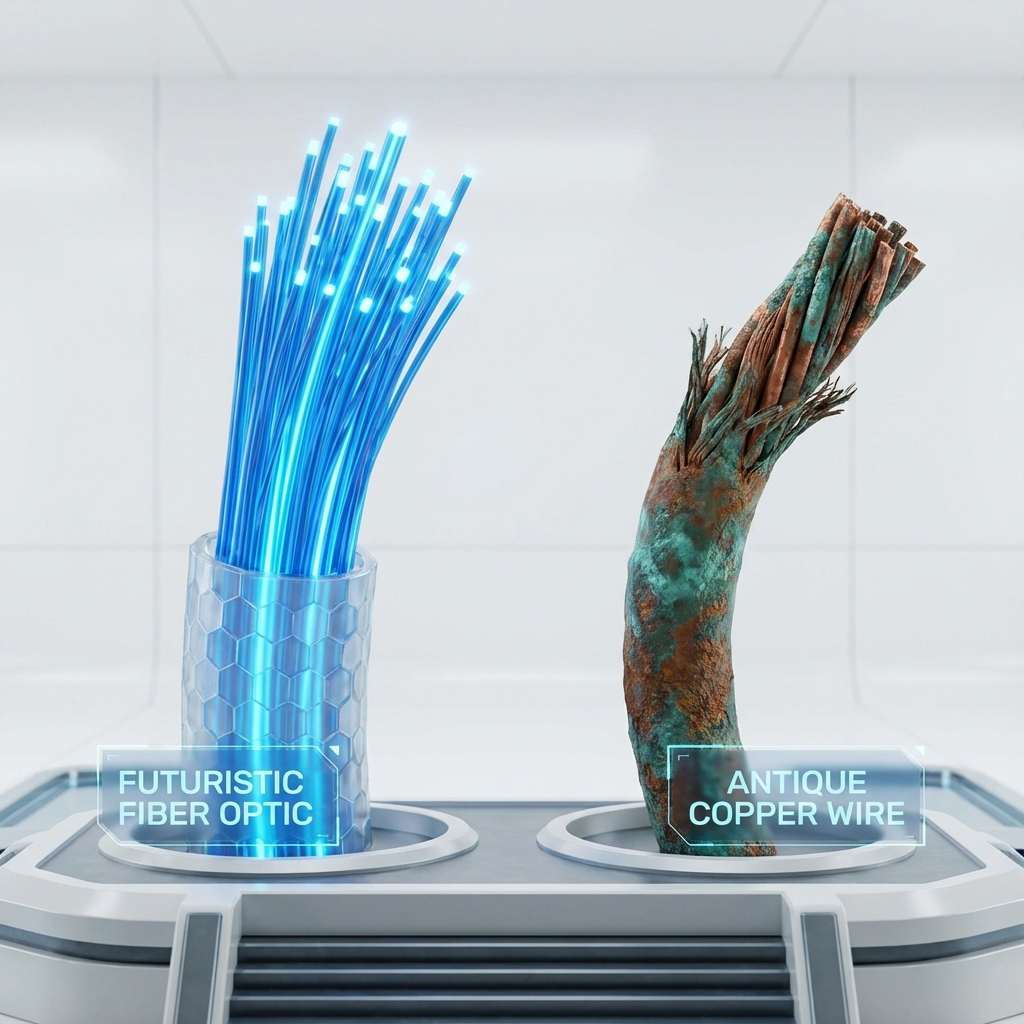
When shopping for internet, you see numbers like "100 Mbps" or "1 Gbps." Marketing teams call this "speed," but technically, it is Bandwidth. Understanding the difference can save you money and frustration.
The Highway Analogy
Imagine your internet connection is a highway.
- Bandwidth is the number of lanes. A 10-lane highway (1 Gbps) can carry more cars than a 2-lane road (20 Mbps) at the same time.
- Speed is the speed limit. How fast are the cars actually moving? This is related to Latency or Ping.
If you are the only car on the road, it doesn't matter if there are 2 lanes or 10 lanes; you will arrive at the same time. Bandwidth only matters when there is traffic.
Do You Need More Bandwidth?
If you live alone and just browse the web, upgrading from 40 Mbps to 100 Mbps won't make your pages load faster. That is determined by the server's speed and your latency.
However, if you have a family...
Imagine 4 people trying to drive on a 1-lane road. Traffic jam! This is what happens when Dad is on a Zoom call, Mom is streaming 4K Netflix, and the kids are downloading games on a 20 Mbps line. You need a wider road (more bandwidth) to fit everyone's data at once.
The Quality Factor
True internet quality is a mix of high bandwidth (for capacity) and low latency (for responsiveness). Fiber optic technology delivers the best of both worlds, unlike satellite or DSL.